
Sakla Game is a traditional card game that many Filipinos remember from small gatherings and quiet moments with family or friends. It is simple to play, but it carries stories of community, shared time, and local tradition.
Through this game, people connected, talked, and enjoyed each other’s company without needing much. Learning about it helps explain how simple games became part of everyday Filipino life.
Getting Started with Sakla Game
The Sakla Game became popular because it was easy to learn and fast to start. Players did not need special tools, large spaces, or long instructions. A simple deck of cards and a few people were enough to begin playing.
Because of this, the game fits well into daily life. People played it during short breaks, family visits, or small celebrations. Over time, it became a shared activity that helped people relax and connect.
What Is Sakla?
At its core, Sakla is a card game where players place bets and compare card results. One player acts as the banker, while others try to beat the banker’s hand. The rules are simple, making the Sakla Game friendly even for beginners.
Because it was so easy, a lot of people learned by watching others instead of reading the directions. The game relies more on luck than strategy, which adds to its casual nature.
Origins of Sakla in Philippine History
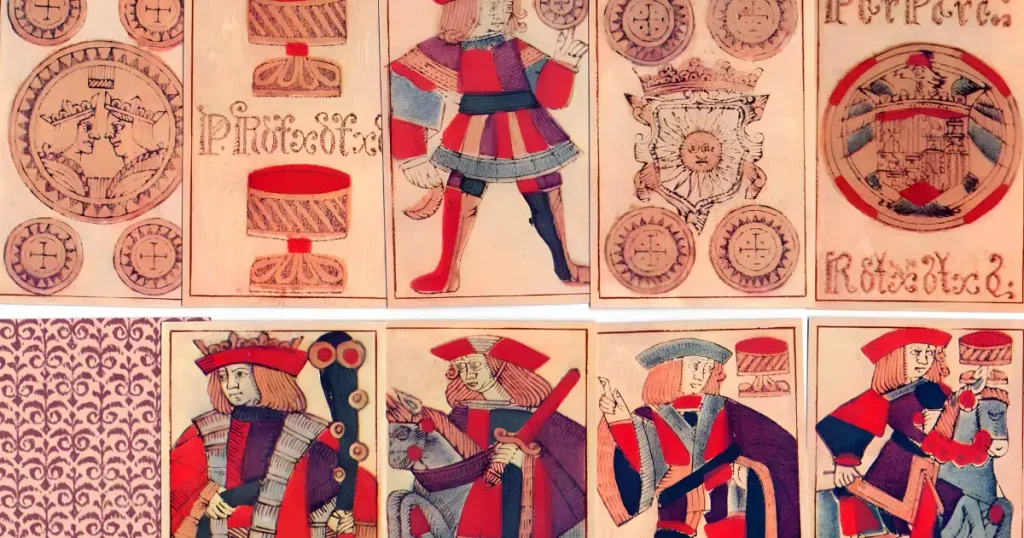
The history of Sakla is closely linked to the arrival of playing cards in the Philippines. During the Spanish colonial period, card games were introduced through trade and cultural exchange.
Filipinos adapted these games to suit local tastes and customs. Over time, the game developed its own style and rules. It spread quietly from town to town, becoming part of local tradition rather than formal entertainment.
Cultural Roots of Sakla in Filipino Communities
This game grew in places where community life was strong. Neighbors, friends, and family members often played together in familiar spaces. This made the experience feel relaxed and personal.
The game allowed people to talk, laugh, and enjoy shared moments. It was not treated as a formal activity or competition. Over time, it became part of everyday life in many communities.
How Sakla Was Traditionally Played
These steps show how the game was played in everyday life, making things simple, social, and easy to understand.
- One player served as the banker and managed cards and payouts
- Players placed small bets before each round started
- Rounds were short, keeping the game easy to follow
- Anyone could join or leave without interrupting play
- Games were played casually while people talked or watched
Sakla in Town Fiestas and Social Gatherings
Town fiestas played a big role in helping Sakla reach more people. These events brought families and neighbors together through food and music. The game often appeared in open spaces where people could easily join.
Playing during fiestas became a simple way to pass time. It allowed people to relax while enjoying the celebration. The activity added fun without needing formal setups or special venues.
Common Beliefs and Superstitions Around Sakla
These beliefs grew over time and added meaning, excitement, and personal habits to how players approached each round of play.
- Some players believe certain cards bring good luck during the game
- Others avoid changing seats once they start winning
- Many players follow small rituals before placing their bets
- Superstitions are often learned from elders or experienced players
- Even non-believers respect these beliefs as part of tradition
How Sakla Differs From Other Filipino Card Games
Compared to other Filipino card games, the Sakla Game stands out for being simple and fast. Games like Tongits or Pusoy often require planning, memory, and strategy. This makes them better suited for players who want longer and more competitive play.
In contrast, this game focuses more on chance than skill. Casual players can enjoy it without learning complex rules. Because of this, it became popular among people looking for light entertainment and quick social fun.
The Role of Sakla in Filipino Gambling Culture
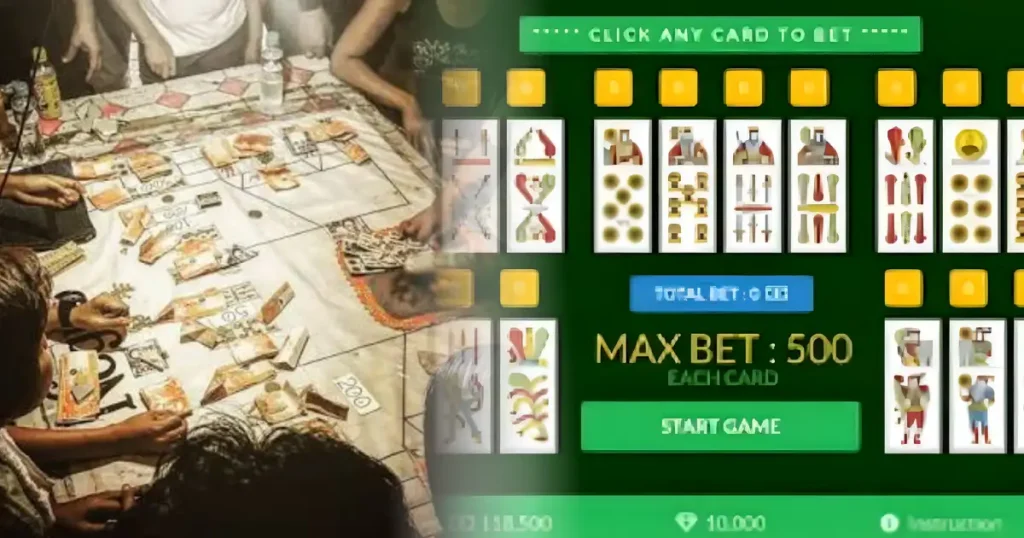
Sakla played a quiet role in informal gambling culture. It introduced many people to betting in a simple and low-risk way. Most bets were small and easy to manage.
The focus was often on fun rather than making money. Players treated the game as social entertainment. This balance helped it stay accepted in many communities.
Modern Perception of Sakla Today
Today, the Sakla Game is not as common as it once was. New laws and the rise of online gaming have changed how people play. Many players now choose digital games because they are easier to access.
Even so, Sakla still lives on through stories and shared memories. Many Filipinos remember it as a time when games meant sitting together and talking. It is often mentioned when people talk about traditional Filipino games and culture.
Why Sakla Remains Culturally Relevant
Sakla remains important because it reflects simple Filipino values. It shows how people enjoyed spending time together through shared activities. The game highlights connection more than winning.
Even today, it reminds people of slower and more personal moments. It represents a time when fun came from being present with others. This meaning helps keep the game remembered and respected.
Conclusion
The Sakla Game is more than a simple pastime remembered from earlier times. It reflects Filipino history, shared moments, and community life. Simple play helped bring people together in everyday settings.
By understanding Sakla, we learn why simple games matter. These games show values like connection and togetherness. This helps preserve a meaningful part of Filipino heritage for future generations.