
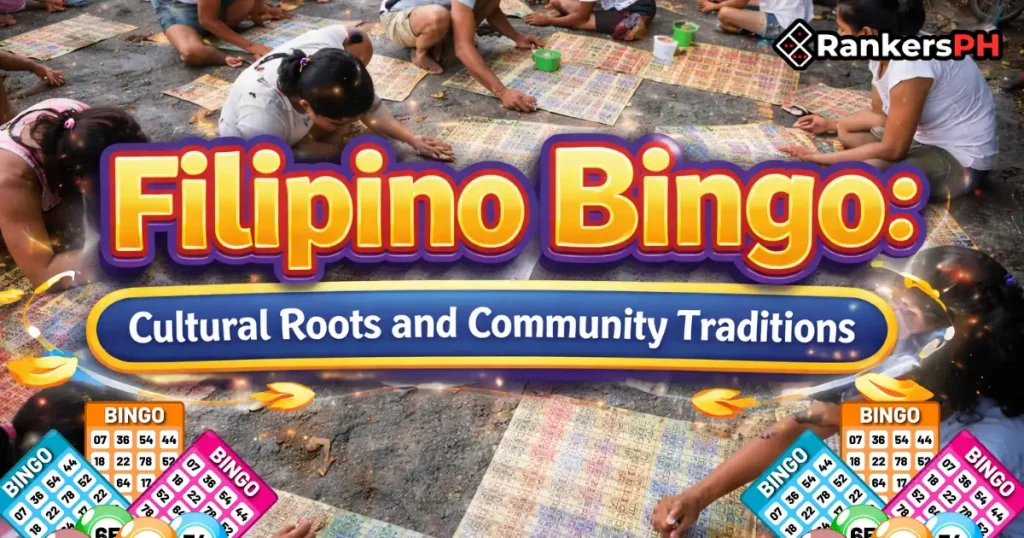
Filipino bingo is more than just a simple game. It is part of daily life in many communities across the Philippines. For many years, people have gathered in halls, covered courts, and malls to play and enjoy time together.
The game is easy to understand. Players mark numbers on a card and wait for the winning pattern to appear. In many towns, this activity brings neighbors closer, creating laughter, excitement, and shared memories that last beyond the game.
The Origins of Bingo in the Philippines
Bingo did not begin in the Philippines. It started in Europe many years ago and later became popular in the United States. From there, the game spread to many countries and eventually reached Filipino communities.
The rules were easy to follow, which helped it grow quickly across the country. Players only needed a card and a pen to mark the numbers as they were called. Filipino bingo has its own unique style that has grown over time, adding humor and a fun atmosphere that has made it a beloved social ritual.
Filipino Bingo in Community Events
Fiestas are an important part of Filipino culture, and bingo is often included in the celebration. During these events, families gather under tents or inside covered courts to enjoy the game together. In many towns, Filipino bingo adds excitement to the program and creates a warm, festive atmosphere.
Churches and barangays also organize bingo nights to support projects and bring people closer. Players sit at long tables, wait for numbers to be called, and cheer for each other. Through these simple gatherings, the game becomes a strong symbol of unity and community spirit.
Traditional Bingo Halls in the Philippines
Mall-Based Bingo Centers
Many bingo halls opened in shopping malls as towns grew. These centers offer organized sessions with clear schedules and simple rules. Many regular players visit each week as part of their routine.
For some families, stopping by after shopping or dining has become a habit. The space is comfortable, bright, and easy to access. Players feel safe and relaxed while enjoying the game.
Small Community Halls
Outside the malls, smaller halls continue to serve local neighborhoods. These places feel more personal and welcoming. Many players know each other by name, and the caller may even share jokes with the crowd.
This warm setting shows why Filipino bingo remains popular in many towns. It brings people together in a simple and friendly way. For many, it truly feels like home.
Common Bingo Patterns in the Philippines
Bingo patterns are simple but exciting. Different events may use different shapes to win.
- Straight Line – Complete one row across, down, or diagonal.
- Four Corners – Mark the four corner squares of the card.
- Full House – All of the numbers on the card are covered.
- Special Patterns – Some fiestas introduce fun shapes for added challenge.
These pattern changes keep players alert and engaged.
The Role of Bingo in Filipino Family Life
One special thing about Filipino bingo is that it welcomes all ages. Grandparents, parents, and young adults can sit at the same table and enjoy the game together. The rules are simple, so no special skills are needed to join the fun.
Each time a number is called, everyone listens closely and waits in silence. Then someone cheers, another laughs, and the excitement fills the room. These shared moments help families bond and create happy memories they will always remember.
Filipino Bingo Lingo and Expressions
In Filipino bingo, number calling is never boring. Callers often add jokes, playful tones, and funny lines when they announce each number. This keeps players smiling and makes the whole room feel alive and excited.
Over time, local words and simple phrases became part of the game’s culture. These small touches make it feel warm, familiar, and different from other countries. It is not just about numbers on a card, but about the lively personality that brings everyone together.
The Rise of Online Bingo
With better internet access, bingo has moved to digital platforms. Players can now join games using their phones or computers at home. This makes it easier for families and overseas Filipinos to stay connected and enjoy the fun together.
Online platforms often include chat rooms and live hosts to keep the experience lively. Players can talk, react, and celebrate wins in real time. Even in digital form, the social spirit of Filipino bingo remains strong and full of community warmth.
Responsible and Safe Play
Bingo is meant for fun and should never cause stress or money problems. In Filipino bingo, responsible play helps keep the experience safe and enjoyable for everyone. Setting a clear budget before playing is one of the smartest ways to stay in control.
Players should avoid spending more than planned and take breaks when needed. The game should always be treated as entertainment, not as a source of income. Organizers also follow clear rules to keep sessions fair and protect the community.
Why Filipino Bingo Still Matters Today
Filipino bingo has lasted for many years because it reflects strong Filipino values. It supports togetherness, celebration, and shared happiness. From small barangay events to large halls in the city, the spirit remains the same.
Even as technology grows, the tradition continues. Young players learn from older generations, and communities stay connected. The future looks bright because this beloved game adapts while keeping its cultural roots.
Conclusion
Filipino bingo is more than just marking numbers on a card. Filipino bingo brings people together in fiestas, church events, mall halls, and even on online platforms. It is a simple game, but it creates big smiles and happy memories for many families.
Filipino bingo keeps strong community customs alive in the Philippines by making people laugh and compete in a friendly way. It helps families bond, neighbors connect, and friends enjoy time together. As long as people value togetherness, Filipino bingo will stay part of everyday Filipino life.